
What Is Vibe Coding? The End of Programming as We Know It
The One-Sentence Version
Vibe coding means describing what you want in plain English and letting AI write all the code for you. You never touch the code. You never even look at it.
Where the Term Came From
In February 2025, Andrej Karpathy tweeted something that went viral. Karpathy isn't a random person. He co-founded OpenAI and led Tesla's self-driving AI team. When he talks, the tech world listens.
His tweet got 6.6 million views. He called it vibe coding. The name stuck.
How It Works
Think of it this way. Before, building an app meant learning a programming language like Python, JavaScript, or Java. Each has its own rules, its own syntax, its own way of doing things. It's like learning a foreign language, except the grammar makes even less sense.
Vibe coding skips all of that. You say "I want a website that lets people book restaurant tables" and the AI builds it. You look at the result, say "make the button bigger" or "add a map," and the AI updates it. You're having a conversation, not writing code.
Why People Are Losing Their Minds Over This
Because it's working. And not just for toy projects.
25% of Y Combinator's latest startup batch had codebases that were 95% AI-generated. Y Combinator is the most prestigious startup accelerator in the world. These aren't hobby projects. These are real companies raising real money.
Regular people are building real apps. A marketing director with zero coding experience built a journaling app. An HR professional built a meal planner during maternity leave. A journalist at the New York Times built multiple working tools. None of them wrote a single line of code.
The numbers are staggering. 92% of developers in the US now use AI coding tools. And about 41% of new code written in developer workflows is now AI-generated, up from almost nothing two years ago. This is just the beginning.
The Catch
It's not all magic.
AI can build things fast. But fast doesn't mean safe. The apps it produces can have security holes, bugs that are hard to find, and messy internals that break when you try to change them later. If nobody reads the code, nobody catches the problems. And right now, most vibe coders don't read the code.
Even Karpathy admitted it: building his app was fun as a demo but painful once he tried to make it real. The AI gets you 80% of the way there quickly. The last 20% is where things get hard.
Here's the important nuance. An experienced engineer using AI is not the same as a beginner using AI. When a senior developer vibe codes, they can spot when the AI made a bad decision, even without reading every line. They know what questions to ask, what to test, what smells wrong. A beginner doesn't have that instinct yet. The AI is the same. The human steering it makes all the difference.
Who Is This For?
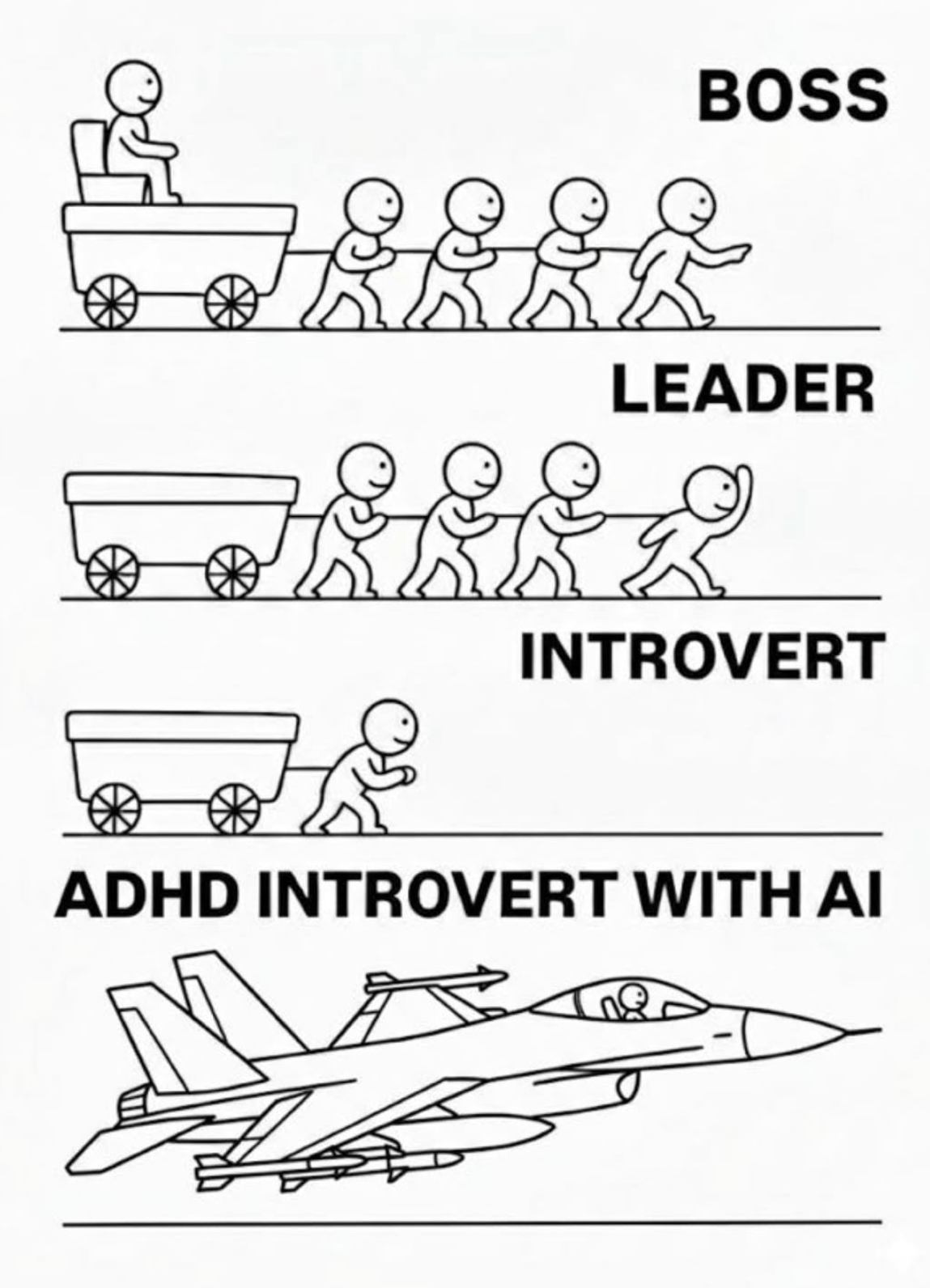
Honestly? Everyone. But what you can build depends on your experience.
If you're new to coding: Vibe coding is incredible for personal projects, prototypes, and simple tools. Want an app that tracks your workouts? A dashboard for your side business? Just describe it. You'll be amazed at what comes out. Start there, learn how things work, build your instincts.
If you're an experienced developer: Vibe coding is a multiplier. You already know what good code looks like. You know what to check. You can use AI for almost everything and catch the mistakes it makes. That's how entire companies are being built with tiny teams right now.
The Bigger Picture
Vibe coding is the clearest sign yet that the barrier between "having an idea" and "building it" is disappearing. You used to need years of training to build software. Now you need a clear description and an AI tool.
That doesn't mean coding skills are worthless. Knowing how software works still matters, especially for complex projects. But the entry point has fundamentally changed. The skill is shifting from writing code to directing AI.
One year ago, "vibe coding" didn't exist as a phrase. Now it has a Wikipedia page and a generation of people building things they never could before.
The question is no longer can you build software. It's what will you build.